Author Archives: Csuka Dalma Ilona
LLLP Insights – Teachers & Trainers
European LLL Platform hírválogatása:
https://masu8.r.sp1-brevo.net/mk/mr/sh/1t6AVsd2XFnIGIUmf4kNUUp3lsZEUD/rGD0K_gCAraI
[EPALE newsletter] The Human Measure
Dear EPALE members,
Recently, I came across a social media campaign called Human-made. In its posts, various well-known people talk about the importance of things created by real people amid the synthetic noise of generative AI.
In the age of artificial intelligence, „human-made” has quickly shifted from simply meaning „not naturally occurring” to becoming a premium marker of authenticity, labour and intent. At the same time, it is already creating a market for „human-washing”: machine-generated content, tools and even deepfakes designed to appear more human than they really are.
But what exactly is the value of human-made? If large language models were trained to write books that felt distinctly creative and meaningful, would those books be any less valuable? And why are we often selective about what should and should not be replaced by machines? Manual and routine work has already been transformed by automation, yet many assume that creative or knowledge-based work necessarily deserves special protection.
(I won’t even get into the irony of craving more human-produced things while collectively training AI systems to reproduce the very patterns we recognise as uniquely ours. This contradiction may itself be one of the most recognisably human traits.)
Perhaps the more important question is this: in a world where text, images, music and even conversation can increasingly be replicated, what are the things we should really hold close?
I suspect the answer lies less in finished products than in the processes that produce meaning: shared interpretation, collective judgement, and the emotional and social structures through which we make sense of the world.
While technology may imitate expression, should it also enter the spaces where we decide together how to live? It cannot experience loneliness, nor the deep social sense of belonging. It cannot take responsibility for a community, engage in civic action, or negotiate differences in pursuit of a shared future.
The future challenge for adult learning is not simply preparing people to work alongside intelligent machines. It is ensuring that people remain capable of shaping the societies, workplaces and communities in which they are deployed.
Heini Huhtinen – EPALE Adult Learning Expert
EPALE Resource Kit – Beyond the Skills Gap
The adult skills crisis in Europe is very real, but are we asking the right questions about it? The first EPALE Resource Kit of 2026 builds on this year’s thematic focus of Skills for Quality Jobs and Lives and goes a step further. It brings together a selection of pieces published on EPALE at the start of the year to present a unified argument: the way we frame the skills gap influences – and sometimes limits – the solutions we envisage. The kit addresses the structural barriers that prevent millions of adults from learning, the impact of AI on the concept of basic skills, and the policy response now emerging across Europe. Rather than offering easy answers, it provides a sharper set of questions for practitioners, policymakers and anyone working at the intersection of adult learning and social change.
AI impacts the labour market – What does it mean for adult learning?
In a digitalising economy, who gets hired and who quietly disappears from the talent pool? Drawing on recent analysis from the OECD and Cedefop, this article demonstrates how unequal learning opportunities can accumulate over a lifetime, and how digitalisation could restrict recruitment at a time when demand for AI-related and hybrid skills is growing. This would push those who would benefit most from new opportunities further to the margins. A human-centred transition is the way forward: learning ecosystems that connect education, work and guidance, and which do not leave any group behind. This is because the future of work depends less on the technology itself than on how we respond to it.
EPALE Podcast: Rethinking Civic Education
Where does democracy actually get practised and what happens to the places where it doesn’t? At a time of growing pressure and division across Europe, we explore why civic education remains surprisingly hard to define, the challenges facing a sector squeezed by shifting funding priorities, and the rise of „civic deserts”: areas, often rural, where civil society infrastructure is sparse or absent. The conversation also takes an unexpected turn: towards the workplace. As one of the few remaining spaces where people with different backgrounds and opinions still meet regularly, the workplace may hold untapped potential for dialogue, disagreement, and democratic practice, and civic educators are starting to take notice.
The Loneliness of 10,000 Followers: On Belonging, Community, and the Difference That Matters
Ten thousand followers won’t make you feel less lonely. So what will? In this piece Saskia Eschenbacher draws on Peter Block, Robert Putnam and transformative learning theory to unpick a distinction that matters more than ever: between audience and community, consumers and citizens, visibility and belonging. Social media promises connection at scale – wide, shallow, algorithmically curated – but belonging, the article argues, doesn’t scale. It is built slowly, reciprocally, in small groups and real conversations, through questions that are uncomfortable precisely because they shift us from blame to co-authorship. For adult educators, the implication is quietly radical: the work that matters most may not be delivering content, but creating the conditions where belonging becomes possible.
LLL PATHWAYS – JUNE EDITION 2026
| June Edition 03/2026 LLL Pathways Dear reader, Welcome to June edition of the LLL Pathways Newsletter, powered by eucen, where we bring together the latest developments in the field of University Lifelong Learning, skills development and adult education across Europe. This month, we explore how universities and policymakers are advancing more flexible, inclusive, and learner-centred approaches to lifelong learning. From new research on learners’ perceptions of micro-credentials and inspiring examples of institutional innovation, to emerging European policy developments and collaborative initiatives within the eucen network, this edition highlights the growing role of lifelong learning in addressing Europe’s social, economic, and skills challenges. We also celebrate outstanding achievements in University Lifelong Learning, share updates from the eucen community, and look ahead to key events that will shape future discussions on skills recognition, employability, and social inclusion. We invite you to explore this month’s selection of insights, updates, and opportunities. Innovation in Practice |
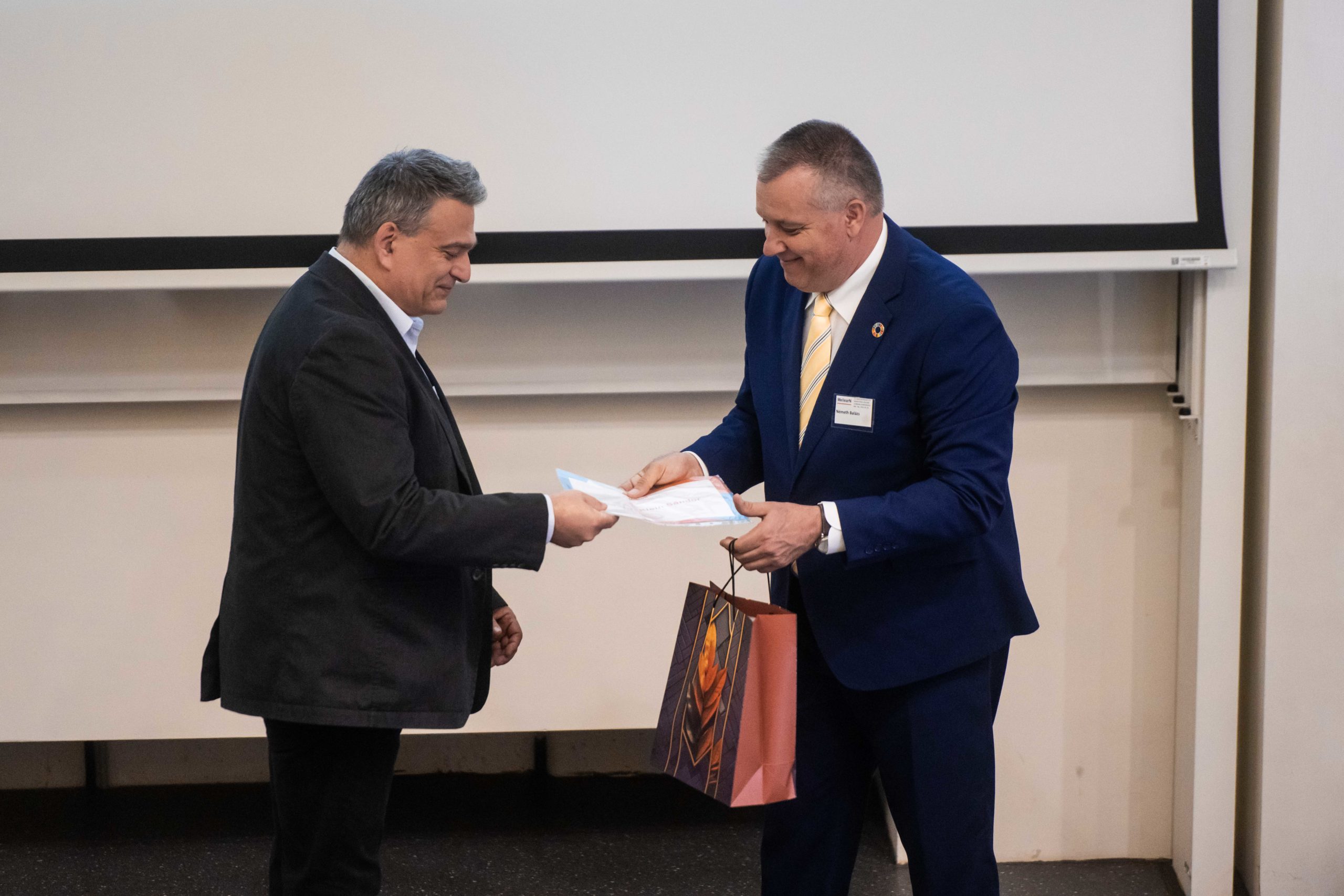
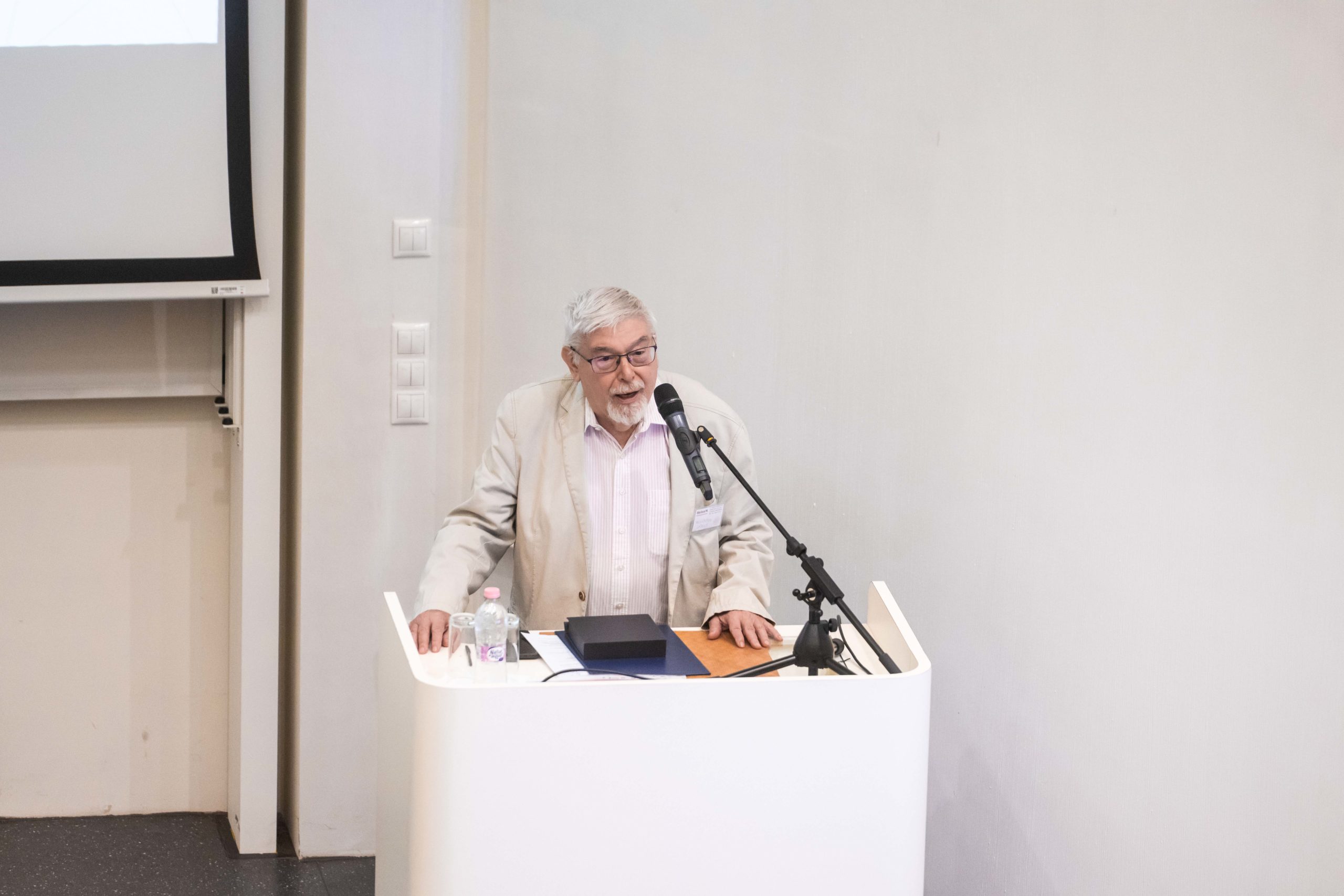
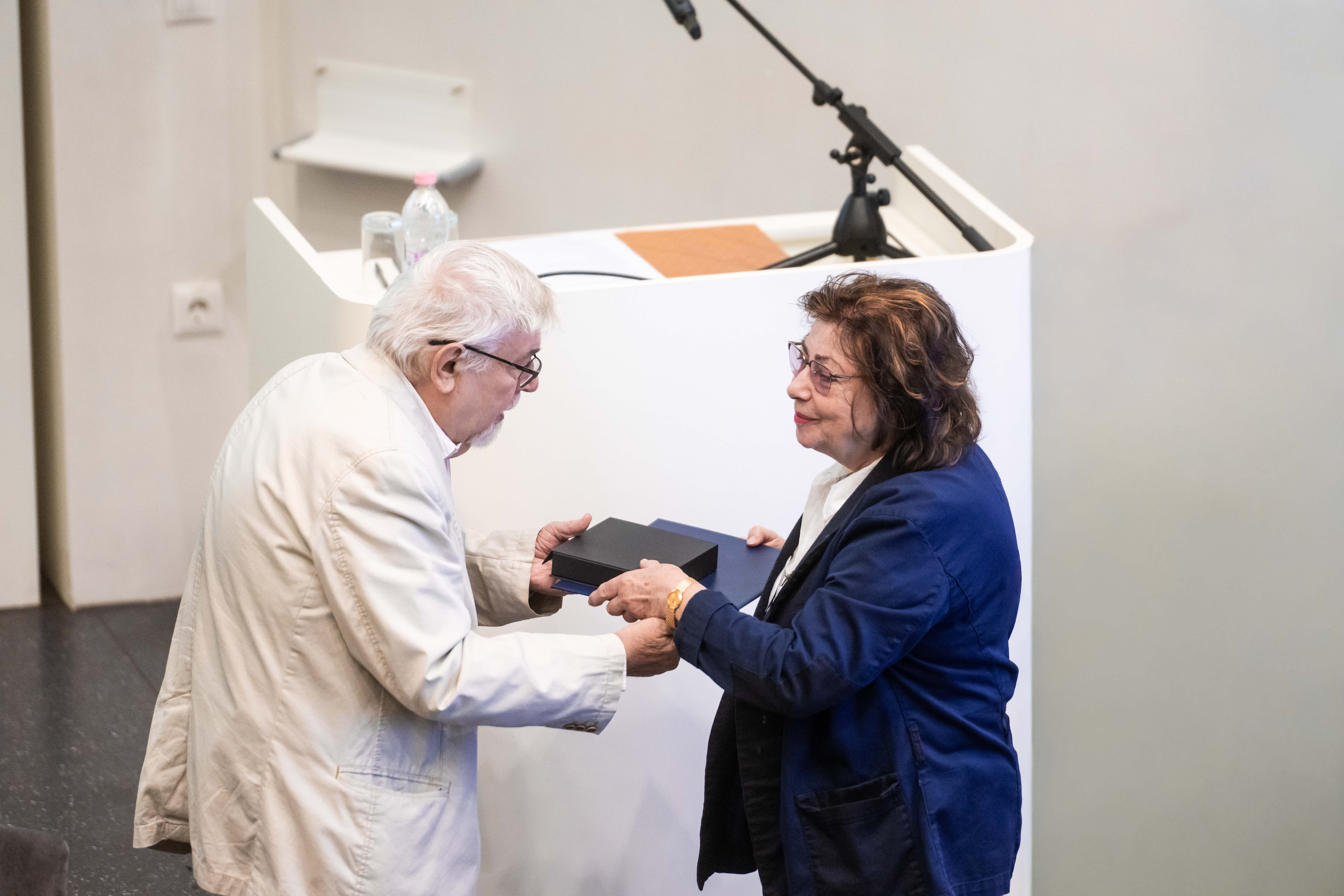
 Learner Perspectives on Micro-Credentials: Key Findings Recent findings from the MESHE project providing new evidence on how learners perceive micro-credentials and the factors that influence their participation in micro-credential programmes, were presented by Carme Royo at the eucen Conference 2026. The analysis draws on data collected through Focus Discussion Groups with learners across Europe and findings from a questionnaire administered to current students enrolled in lifelong learning (LLL) programmes and micro-credential courses. The findings identify a range of factors that shape participation in micro-credential learning opportunities. Learners reported structural, psychological, informational, access-related and cultural barriers that can influence both enrolment decisions and engagement throughout the learning process. These barriers suggest that participation is affected not only by programme design and availability, but also by learners’ prior experiences, perceptions and broader social contexts. The research further highlights continuing uncertainty surrounding the concept of micro-credentials. Participants expressed varying levels of understanding regarding the purpose and characteristics of micro-credentials, their distinction from other forms of education and training, and their recognition by employers and other stakeholders. Taken together, the findings point to the importance of clear communication, transparent recognition frameworks and accessible learning pathways that enable learners to better understand the potential value and outcomes associated with micro-credentials, areas that the MESHE project aims to support through its work. A more detailed analysis of the findings is available in the conference presentation.  Innovative Approaches to University Lifelong Learning During the EUCEN Conference in Cagliari on 5 June 2026, three universities were recognised through the SAMUELE ULLL Award 2026 for case studies demonstrating innovative approaches to University Lifelong Learning (ULLL). Selected from the SAMUELE Compendium of Case Studies, the featured initiatives illustrate how higher education institutions are responding to changing learner needs through flexible, inclusive and learner-centred lifelong learning provision. The case studies address a range of priorities, including widening participation, promoting social inclusion, supporting employability and fostering personal and community development. The institutions recognised in 2026 were: De Montfort University (United Kingdom) University of Applied Sciences and Arts of Southern Switzerland – SUPSI (Switzerland) University of Limerick (Ireland) Beyond the individual examples, the SAMUELE Compendium provides insight into current practices and developments in University Lifelong Learning across Europe. The collection highlights diverse institutional strategies and offers practical examples for universities, practitioners and policymakers interested in strengthening lifelong learning provision and sharing effective approaches. The case studies contribute to ongoing discussions on the role of higher education institutions in supporting lifelong learning and responding to societal, economic and demographic change. A full overview of the case studies is available in the SAMUELE Compendium.  The Growing Role of University Lifelong Learning in European Policy Agendas University Lifelong Learning is receiving growing attention in European policy as the EU advances initiatives to address skills shortages, promote inclusion, and support the green and digital transitions. Recent policy developments have placed particular emphasis on lifelong learning, upskilling and reskilling as key components of Europe’s economic and social agenda. As universities continue to adapt their educational offer, these developments raise important questions about the future of lifelong learning, learner access, recognition of learning achievements and the role of higher education institutions in supporting diverse learning pathways. Explore our full policy update to learn more about the latest developments and their implications.  Flexible Learning and Recognition of Prior Learning Remain Key Policy Priorities As European higher education systems continue to expand lifelong learning opportunities, questions around flexible learning pathways, recognition of prior learning (RPL), micro-credentials, and learner support mechanisms remain high on the policy agenda. On 3 June 2026, alongside the 56th eucen Conference in Cagliari, representatives of eucen National Networks from across Europe participated in a thematic workshop on current national policy and practice developments in University Lifelong Learning (ULLL), facilitated by Professor Emeritus Wieger Bakker. Discussions highlighted common challenges related to quality assurance, legal frameworks, funding, and equitable access, reinforcing the need for stronger policy coordination and collaboration across Europe.  The eucen Learning City Universities meet in Cagliari As part of the eucen Conference 2026, the first workshop of the Learning City Universities initiative brought together 18 participants from 12 universities, with additional colleagues joining online, to explore the role of higher education institutions in supporting learning-oriented communities. Discussions focused on how universities engage with their cities and regions, the extent to which Learning City principles are reflected in institutional strategies and activities, and how ULLL units can contribute to local development, social inclusion, sustainability and skills ecosystems. Participants shared a common commitment to building a Community of Practice of Learning City Universities that supports more inclusive, resilient, and learning-oriented communities across Europe.  Celebrating Excellence in Univesity Lifelong Learning During the eucen Annual Conference 2026 in Cagliari, eucen proudly launched the inaugural ULLL Excellence Awards, recognising institutions whose long-standing commitment to University Lifelong Learning and active engagement within the network have helped advance lifelong learning across Europe. The awards honour excellence in three categories: the Enduring Founders Award, the Founders Journey Award, and the Longstanding Commitment Award. Together, the winning institutions represent decades of collaboration, innovation, and dedication to widening learning opportunities throughout life. Congratulations to all recipients and thank you for your invaluable contribution to strengthening lifelong learning in higher education. |
[EPALE newsletter] Tanárok és tanulók együtt, nem egyedül
Kedves EPALE tagok!
Manapság mindannyian erősen vágyunk a közösségre. Én biztosan. Olyan helyeket keresünk, ahol tartozhatunk valahová, ahol kölcsönös támogatást és közös célt találunk – azt a bizonyos “szigetet” az egyre individualizáltabb világban.
Könnyű egyetérteni abban, hogy senkinek sem kellene mindent egyedül megoldania. A közösség azonban nem csupán valami, amit kapunk. Kíván is tőlünk valamit: időt, sebezhetőséget, türelmet és hajlandóságot arra, hogy ott legyünk mások számára, még akkor is, amikor legszívesebben csak a kanapénkon heverésznénk magunkban.
A tanulás is könnyen individualizálttá válhat. Arra ösztönöznek minket, hogy azt kérdezzük: mit nyerhetünk a tanulás által a karrierünk, az önbizalmunk vagy a személyes fejlődésünk szempontjából? A közösségi tanulás azonban egy másik kérdést tesz fel: mit adhat a mi tanulásunk másoknak?
A hónap cikkeiben a tanulást nem magányos törekvésként vizsgáljuk, hanem olyasmiként, amit együtt építünk fel: mentorálás, útmutatás, reflexió és közös felelősség révén.
Talán a tanulás – minden sebezhetőségével együtt – akkor válik igazán jelentőssé, amikor megengedjük magunknak, hogy másokra támaszkodjunk, és mi magunk is olyan emberekké váljunk, akikre mások támaszkodhatnak.
Heini Huhtinen – EPALE felnőttképzési szakértő
Az útmutatás, mint iránytű a minőségi munkához és a tartalmas élethez
A gyorsuló technológiai, gazdasági és társadalmi változások világában senkitől sem várható el, hogy egyedül igazodjon el. Az életpálya tanácsadás mára kiegészítő szolgáltatásból valami sokkal alapvetőbbé vált: összekötő szövetté a tanulás, a munka és az emberek által valóban vágyott élet között. Potenciálja azonban Európában továbbra sem egyenletesen valósul meg. Ebben a blogbejegyzésben Várkonyi Zoltán (EBSN) bemutatja a Cedefop által kidolgozott új európai, életpálya tanácsadás keretrendszer főbb vonalait, és azt vizsgálja, mit jelent ez a gyakorlatban a felnőtt tanulók és a velük dolgozó szakemberek számára. A karriermenedzsment-készségektől a társadalmi befogadásig, az alapkészségek támogatásától a tanulási motivációig a tanácsadás szorosan összefonódik mindazzal, amit az EPALE 2026-os tematikus fókusza képvisel.
► További informáci az életpálya tanácsadásról (EN)
Inspiráció az északi tanulási modellekből: a motiváció és a tanulás ösztönzése
Mi késztet egy felnőttet arra, hogy tanulni kezdjen vagy folytassa a tanulást, amikor a kétely, a kimerültség vagy egy új élethelyzet terhe szinte lehetetlenné teszi azt? Az északi országokban szakemberek és kutatók évek óta foglalkoznak ezzel a kérdéssel, és a válaszaikban van valami közös: a motiváció nem személyes tulajdonság. Olyasmi, ami a közösen megteremtett körülmények között növekszik – vagy éppen nem tud kibontakozni. Az „Inspired by Nordic Learning” ezen kiadása Dániából, Finnországból, Izlandról, Norvégiából és Svédországból gyűjt össze nézőpontokat: a frissen végzett ápolóktól, akik próbálnak eligazodni a munka világában, az Izlandon önbizalmukat újraépítő arab nőktől kezdve az idős emberekig és családjaikig, akik az otthoni idősödés kihívásaival néznek szembe. Különböző helyzetek, különböző tanulók – mégis ugyanaz a visszatérő felismerés: amikor az emberek úgy érzik, hogy szívesen látják, támogatják és észreveszik őket, a tanulás ismét lehetővé válik.
► Fedezze fal a motiváció szerepét a felnőttkori tanulásban! (EN)
Tanulás mozgásban – betekintés a jövőbe
Mi lenne, ha a tanulás nem egy helyhez kötött dolog lenne, hanem valami, ami mozgás közben történik – különböző terekben, időpontokban, helyzetekben és generációk között? A Nemzetközi Munkaügyi Szervezet (ILO) Nemzetközi Képzési Központjának új kiadványa arra ösztönöz, hogy túllépjünk az eszközökön, az osztálytermeken, sőt még a digitális technológián is, és a mobil tanulást alapvetően emberi és alkalmazkodó gyakorlatként gondoljuk újra. Az Európai Képzési Alappal együttműködésben készült „Learning in Motion” nyolc olyan mozgató rugót azonosít, amelyek már most átalakítják a tanulást: a fizikai és digitális környezetek összefonódásától („phygital”) a digitális szabadság paradoxonán át a választási lehetőségek túlterheléséig és a generációk közötti tudáscsere növekvő jelentőségéig. A felnőttképzési szakemberek számára az üzenet egyértelmű: az átképzés, az informális tanulás elismerése és az emberi kapcsolatok nem távoli trendek… már most is jelen vannak.
► Ismerje meg a tanulás jövőjét! (EN)
A készségfejlesztési paktum keretében több mint 10 millió munkavállaló részesült képzésben
Mit jelent az, amikor több ezer szervezet – vállalkozások, képzési szolgáltatók, regionális hatóságok és szociális partnerek – úgy dönt, hogy közösen lép fel a készségfejlesztés érdekében? Öt évvel indulása után a Skills Pact meggyőző választ ad erre: egy egész Európára kiterjedő hálózatot, amely csendben, de alapjaiban alakítja át, hogyan férnek hozzá a munkavállalók a tanuláshoz, és mire vezethet ez a tanulás. A legfrissebb éves felmérés egyre növekvő lendületet mutat: a készségfejlesztés már munkavállalók millióit éri el az EU-ban, és a résztvevők túlnyomó többsége valódi előnyökről számol be – a jobb készségfelméréstől az erősebb ágazatközi együttműködésig. Az ambíció pedig tovább nő: az Európai Bizottság most arra ösztönzi a tagokat, hogy még nagyobb erővel folytassák ezt a munkát.
► Nézze meg, hogyan fejlődnek a készségfejlesztési partnerségek!
Az idő dimenziói a közösségi tanulásban
Egy olyan világban, amely hiperrugalmas, individualizált és folyamatosan elérhető tanulást ígér, valami csendesen eltűnőben van: az együtt, közös időben, önmagunkon túlmutató célért történő tanulás élménye. Mi történik, amikor az oktatás pusztán egy újabb dologgá válik, amit saját életünkhöz igazítunk – hatékonyan, zökkenőmentesen, de alapvetően magányosan? Ez az elgondolkodtató cikk szembemegy ezzel a logikával. Filozófiai fogalmakra, az afrikai Ubuntu szemléletre és a kritikai pedagógiára támaszkodva amellett érvel, hogy a szolgálattanulás az idővel szembeni tudatos ellenállás egy formája: szándékos lelassulás, amely lehetővé teszi a bizalom kialakulását, a közösségek közös jelentésalkotását, és azt, hogy a tanulás több legyen egyszerű tranzakciónál. A példák – egy diák lakónegyedében működő Repair Café-tól a keralai szolidaritási mozgalmakig – kicsik, földközeliek és csendesen radikálisak.
Inclusive Europe – May 2026 Edition
 |
| May Edition 02/2026 Inclusive Europe Dear reader, Welcome to May edition of the Inclusive Europe Newsletter, powered by eucen, where we share with you the most recent news in the field of Diversity and Inclusionacross higher and adult education in Europe. This edition explores recent initiatives, policy developments, and collaborative efforts promoting more inclusive and accessible lifelong learning across Europe. From innovative digital education projects to European strategies on inclusion and higher education, the newsletter highlights how universities and organisations are working to strengthen equity, participation, and belonging in learning environments. We invite you to explore this month’s selection of insights, updates, and opportunities. Innovation in Practice |
 Towards more inclusive digital environments: new resources released in Europe The INCLUDE ME+ project has released its final set of resources, marking the successful completion of the project after a period of collaboration, research, and co-creation among its partners. The initiative has produced a comprehensive and accessible collection of practical and transferable tools designed to promote inclusion through mediation and to support more inclusive and participatory digital media practices across Europe. These resources are intended to strengthen the capacity of key stakeholders, including higher education educators, digital media providers, civil society organisations, and students. Towards more inclusive digital environments: new resources released in Europe The INCLUDE ME+ project has released its final set of resources, marking the successful completion of the project after a period of collaboration, research, and co-creation among its partners. The initiative has produced a comprehensive and accessible collection of practical and transferable tools designed to promote inclusion through mediation and to support more inclusive and participatory digital media practices across Europe. These resources are intended to strengthen the capacity of key stakeholders, including higher education educators, digital media providers, civil society organisations, and students.  New e-zine shares updates and insights on visual teaching in education! The first E-zine from the VISUALITY project has recently been launched. The publication brings together recent activities, insights, and developments related to the use of visual teaching strategies in higher and adult education across Europe. VISUALITY explores how visual approaches can contribute to more inclusive and accessible learning environments for diverse groups of learners. Readers can discover more about the project, its partners, and the ongoing work being carried out to support inclusive teaching and learning practices. Feel free to share it with colleagues and networks interested in inclusive teaching and learning practices. New e-zine shares updates and insights on visual teaching in education! The first E-zine from the VISUALITY project has recently been launched. The publication brings together recent activities, insights, and developments related to the use of visual teaching strategies in higher and adult education across Europe. VISUALITY explores how visual approaches can contribute to more inclusive and accessible learning environments for diverse groups of learners. Readers can discover more about the project, its partners, and the ongoing work being carried out to support inclusive teaching and learning practices. Feel free to share it with colleagues and networks interested in inclusive teaching and learning practices.  Exploring belonging in higher education: staff perspectives matter A sense of belonging in higher education is shaped not only by institutional policies, but also by everyday experiences — through teaching, communication, leadership, and the many interactions that define university life. To better understand how belonging is experienced within universities, the BELONG@HEI project is inviting higher education staff to take part in a short anonymous survey. The survey explores what helps people feel included, respected, and supported in their working and learning environments. The insights gathered will contribute to ongoing work on inclusive and student-centred approaches in higher education across Europe, helping identify practical ways universities can strengthen belonging in everyday practice. The questionnaire takes only around five minutes to complete! Your perspective matters. Exploring belonging in higher education: staff perspectives matter A sense of belonging in higher education is shaped not only by institutional policies, but also by everyday experiences — through teaching, communication, leadership, and the many interactions that define university life. To better understand how belonging is experienced within universities, the BELONG@HEI project is inviting higher education staff to take part in a short anonymous survey. The survey explores what helps people feel included, respected, and supported in their working and learning environments. The insights gathered will contribute to ongoing work on inclusive and student-centred approaches in higher education across Europe, helping identify practical ways universities can strengthen belonging in everyday practice. The questionnaire takes only around five minutes to complete! Your perspective matters.  Exploring belonging in higher education: staff perspectives matter Across Europe, adult education providers continue to search for new ways to reach learners who are often excluded from traditional educational pathways. The FOOD INCLUDES project offers one example of how everyday experiences — such as cooking and sharing food — can become meaningful tools for inclusion, participation, and skills development. The initiative explores how food-centred activities can help create more accessible and flexible learning opportunities, particularly for vulnerable groups such as refugees, migrants, and people affected by social or economic barriers. At a time when millions of displaced people are rebuilding their lives across Europe, projects that combine community engagement with educational outreach are becoming increasingly relevant. Discover the principles behind this new approach to inclusion, with food as its starting point. Exploring belonging in higher education: staff perspectives matter Across Europe, adult education providers continue to search for new ways to reach learners who are often excluded from traditional educational pathways. The FOOD INCLUDES project offers one example of how everyday experiences — such as cooking and sharing food — can become meaningful tools for inclusion, participation, and skills development. The initiative explores how food-centred activities can help create more accessible and flexible learning opportunities, particularly for vulnerable groups such as refugees, migrants, and people affected by social or economic barriers. At a time when millions of displaced people are rebuilding their lives across Europe, projects that combine community engagement with educational outreach are becoming increasingly relevant. Discover the principles behind this new approach to inclusion, with food as its starting point.  What are the key European initiatives for inclusion in University Lifelong Learning? Inclusion has become a central priority in European education and skills policy, reflecting a broader commitment to building more equitable, resilient, and knowledge-driven societies. Within this context, universities are increasingly recognised not only as centres of research and formal education, but also as key actors in widening access to learning across the lifespan. At the European level, several ongoing policy initiatives reinforce these goals.These initiatives aim to strengthen lifelong learning systems, improve access for underrepresented groups, and ensure that higher education institutions contribute effectively to social inclusion. They also emphasise the importance of upskilling and reskilling in response to rapid technological and economic change, ensuring that learners of all ages can adapt and thrive. For the ULLL community, these developments signal a clear direction: lifelong learning is no longer a peripheral mission of universities, but a core component of their societal role. Explore our full policy update to learn more about the latest developments and their implications. What are the key European initiatives for inclusion in University Lifelong Learning? Inclusion has become a central priority in European education and skills policy, reflecting a broader commitment to building more equitable, resilient, and knowledge-driven societies. Within this context, universities are increasingly recognised not only as centres of research and formal education, but also as key actors in widening access to learning across the lifespan. At the European level, several ongoing policy initiatives reinforce these goals.These initiatives aim to strengthen lifelong learning systems, improve access for underrepresented groups, and ensure that higher education institutions contribute effectively to social inclusion. They also emphasise the importance of upskilling and reskilling in response to rapid technological and economic change, ensuring that learners of all ages can adapt and thrive. For the ULLL community, these developments signal a clear direction: lifelong learning is no longer a peripheral mission of universities, but a core component of their societal role. Explore our full policy update to learn more about the latest developments and their implications.  What is the EU doing to make higher education more inclusive and connected? The European Union is working to make higher education across Europe more inclusive, accessible, and closely linked to society as part of the European Education Area. The goal is to ensure that universities support learners from all backgrounds and contribute to lifelong learning opportunities. A key priority is widening participation, especially for underrepresented groups such as students from disadvantaged backgrounds, adult learners, and people with migrant backgrounds. This includes improving access routes, strengthening student support, and promoting more flexible study options. The EU also encourages more flexible learning pathways, including part-time and online study, as well as better recognition of prior learning. These measures help people combine education with work and other responsibilities, supporting lifelong learning. In addition, higher education institutions are encouraged to strengthen links with schools, vocational education, employers, and communities to ensure learning is relevant and inclusive. What is the EU doing to make higher education more inclusive and connected? The European Union is working to make higher education across Europe more inclusive, accessible, and closely linked to society as part of the European Education Area. The goal is to ensure that universities support learners from all backgrounds and contribute to lifelong learning opportunities. A key priority is widening participation, especially for underrepresented groups such as students from disadvantaged backgrounds, adult learners, and people with migrant backgrounds. This includes improving access routes, strengthening student support, and promoting more flexible study options. The EU also encourages more flexible learning pathways, including part-time and online study, as well as better recognition of prior learning. These measures help people combine education with work and other responsibilities, supporting lifelong learning. In addition, higher education institutions are encouraged to strengthen links with schools, vocational education, employers, and communities to ensure learning is relevant and inclusive. |
[EPALE newsletter] Learning Together, Not Alone
Dear EPALE members,
These days, we all seem to desperately long for community. I know I do. We search for spaces of belonging, mutual support and shared purpose – that proverbial village in increasingly individualised times.
It is easy to agree that no one should be expected to figure everything out alone. Yet community is not only something we receive. It also asks something of us: time, vulnerability, patience and a willingness to show up for others, even when we would rather rot in the privacy of our own couch.
Learning, too, can become deeply individualised. We are encouraged to ask what learning can do for our careers, confidence or personal growth. But community education and service-learning invite a different question: what can our learning offer to others?
Across this month’s articles, we explore learning not as a solitary pursuit, but as something built together: through mentorship, guidance, reflection and shared responsibility.
Perhaps learning, vulnerable as it is, becomes more meaningful when we allow ourselves to lean on others, and to be someone others can lean on too.
Heini Huhtinen – EPALE Adult Learning Expert
Guidance as a compass for quality jobs and meaningful lives
In a world of accelerating transitions (technological, economic, social) no one should be expected to navigate alone. Lifelong guidance has shifted from a complementary service to something far more fundamental: a connective tissue between learning, work and the kind of life people actually want to live. Yet its potential is still unevenly realised across Europe. In this blog post, Zoltán Várkonyi (EBSN) traces the contours of a new European framework for lifelong guidance developed by Cedefop, and asks what it means in practice for adult learners and the professionals who work alongside them. From career management skills to social inclusion, from basic skills support to learner motivation, guidance turns out to be woven into everything EPALE’s 2026 thematic focus stands for.
► Read more on lifelong guidance
Inspired by Nordic Learning: Encouraging motivation and learning
What makes an adult decide to learn or keep learning when doubt, exhaustion, or the weight of a new life make it feel impossible? Across the Nordic countries, practitioners and researchers have been sitting with that question for years, and their answers share something in common: motivation is not a personal trait. It is something that grows, or fails to grow, in the conditions we create together. This edition of Inspired by Nordic Learning brings together perspectives from Denmark, Finland, Iceland, Norway and Sweden, from newly graduated nurses finding their footing in working life, to Arab women rebuilding confidence in Iceland, to elderly people and their families navigating the challenges of ageing at home. Different contexts, different learners, one recurring insight: when people feel welcomed, supported and seen, learning becomes possible again.
► Explore motivation in adult learning
Learning in Motion – An outlook on the future
What if learning wasn’t something that happens in a place, but something that happens in motion across spaces, times, contexts, and generations? A new publication by the International Training Centre of the ILO challenges us to think beyond devices, beyond classrooms, and even beyond digital technology, reimagining mobile learning as a fundamentally human and adaptive practice. Developed in cooperation with the European Training Foundation, Learning in Motion identifies eight driving forces already reshaping how we learn, from the rise of phygital environments to the paradox of digital freedom, from the overload of choice to the growing importance of intergenerational exchange. For adult learning professionals, the message is clear: upskilling, validation of informal learning, and human connection are not trends on the horizon… they are already here.
► Discover the future of learning
Over 10 million workers trained under the Pact for Skills
What does it look like when thousands of organisations (businesses, training providers, regional authorities, social partners) decide to act together on skills? Five years after its launch, the Pact for Skills is offering a compelling answer: a Europe-wide network that is quietly reshaping how workers access learning, and what that learning can lead to. The latest annual survey reveals a picture of growing momentum, with upskilling reaching millions of workers across the EU and an overwhelming majority of participants reporting real benefits, from better skills intelligence to stronger cross-sector collaboration. And the ambition is only expanding: the European Commission is now calling on members to double down.
► See how skills partnerships are growing
Temporalities in Service-Learning and Community Education
In a world that promises hyper-flexible, individualised, always-on learning, something quieter is being lost: the experience of learning together, in shared time, for a purpose that extends beyond oneself. What happens when education becomes just another thing we curate for our own lives… efficient, seamless, and fundamentally solitary? This thought-provoking article pushes back against that logic. Drawing on concepts from philosophy, African Ubuntu thinking, and critical pedagogy, it makes the case for service-learning as a form of temporal resistance, a deliberate slowing down that allows trust to grow, communities to co-create meaning, and learning to become something more than a transaction. From a Repair Café in a student’s neighbourhood to solidarity movements in Kerala, the examples are small, grounded, and quietly radical.